
Basilica of Bom Jesus
Goa, India
Entry is free and there is no ticket for the basilica. The art gallery upstairs, reached by a staircase in the…
No online ticket
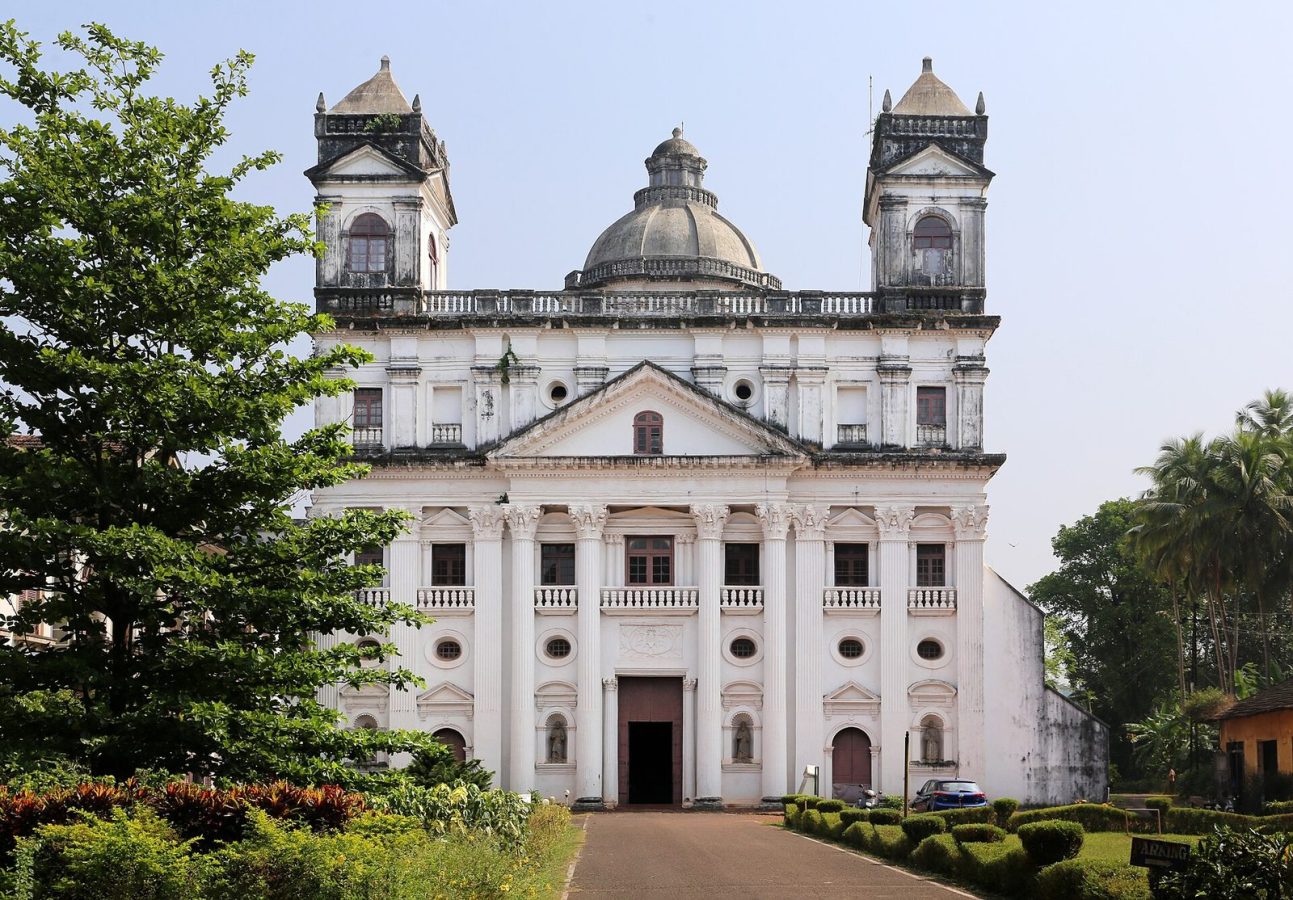
Photo: Sailko, CC BY 3.0
Saint Cajetan stands in Old Goa, the abandoned Portuguese capital fifteen minutes inland from Panaji, among a group of churches and convents that carry a UNESCO listing. Entry is free. Everything here is within walking distance of everything else, so the sensible plan is a half-day covering this church, the cathedral, the basilica that holds the relics of Francis Xavier and the ruined tower of the Augustinian convent on the hill.
Guided tours from the beach resorts include Old Goa on a general sightseeing day with a spice plantation and a river cruise, which is rushed; a hired car or scooter gives you the time the place needs. Guides wait at the cathedral gate and charge modestly. The archaeological museum in one of the convents is ticketed. Dress modestly, since these are working churches. The site has no ticket office, so guides are paid directly and rates should be agreed first.
Live prices from GetYourGuide for tours whose route includes this church. Free cancellation on most of them.
Three Italian Theatine priests arrived in India in 1639 intending to reach the Deccan sultanates, were blocked, and settled in Goa instead. Their church was begun in 1655 and finished in 1661, and it is the only domed church in Goa. The design follows Saint Peter's in Rome in miniature, on a Greek cross plan with a large dome carrying Latin inscriptions from Matthew around its inner drum, and a front of Corinthian columns in white plastered laterite.
Italian architects supervised the work and the result looks more Roman than anything else in India. Inside, gilded wooden altarpieces in the Portuguese manner sit against that classical shell. A covered well beneath the floor of the church is said to belong to a Hindu temple that stood on the site, and a trapdoor in the nave leads down to crypts once used for the bodies of Portuguese governors awaiting shipment home. Seven altars line the interior and each was maintained by a different confraternity of the Portuguese city.
The dry season from November to March is the time to come; the monsoon from June to September is heavy and the laterite churches stream with water, though the vegetation is at its most extraordinary then. Mornings are cooler and the light is better on the white fronts. The feast of Francis Xavier on the third of December draws enormous crowds to the basilica nearby and the whole of Old Goa is packed for a week.
Once a decade the saint's body is displayed publicly, an event that brings pilgrims in the millions. Christmas and Easter fill the churches. There is little shade between the buildings and no reliable food beyond a few stalls, so carry water. Twenty-five minutes inside this church is enough, and half a day for Old Goa as a whole. Buses from Panaji run every twenty minutes and stop on the road beside the cathedral lawn.
Yes. GetYourGuide sells tickets and guided tours whose route includes St. Cajetan Church; live prices are shown on this page.
Dress modestly, since these are working churches.
St. Cajetan Church was founded in 1656.
St. Cajetan Church is in Goa, India. The map on this page shows the exact spot.
Goa, India
Entry is free and there is no ticket for the basilica. The art gallery upstairs, reached by a staircase in the…
No online ticket
Goa, India
This church and convent form part of the Old Goa group, a few steps from the cathedral, and entry to the church is…
No online ticket
Goa, India
The Sé Cathedral, the Cathedral of Saint Catherine, stands in Old Goa, the former capital of Portuguese India, about…
No online ticket

