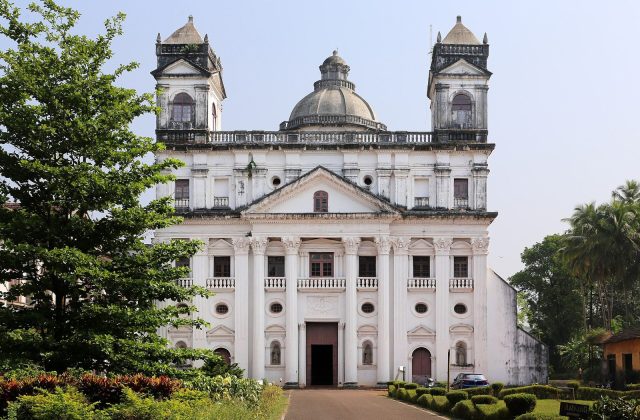
Church of St Francis of Assisi, Goa
Goa, India
This church and convent form part of the Old Goa group, a few steps from the cathedral, and entry to the church is…
No online ticket
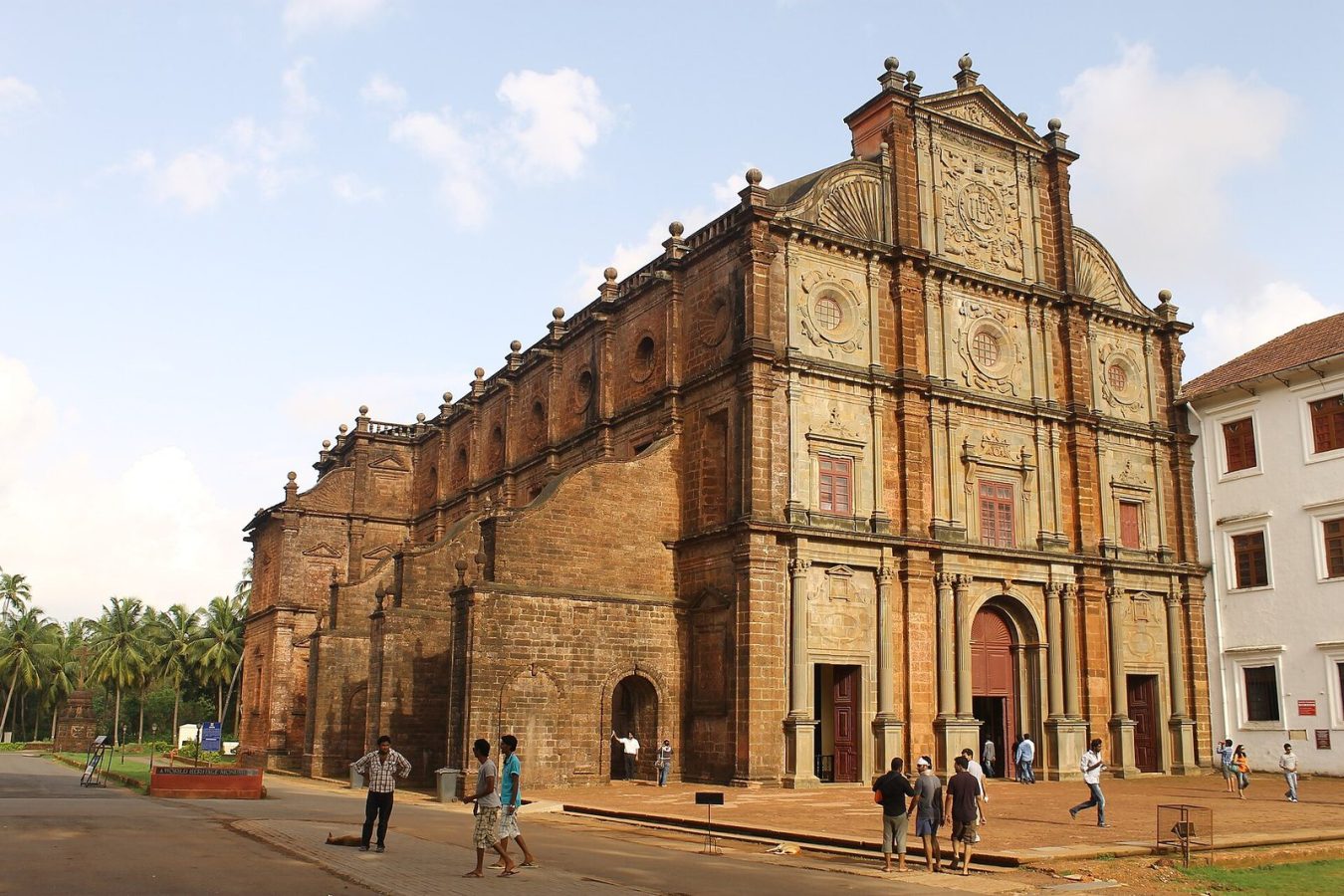
Photo: Sandeepsea, CC BY-SA 3.0
Entry is free and there is no ticket for the basilica. The art gallery upstairs, reached by a staircase in the adjoining building, charges a small fee and shows modern religious painting. Guides wait outside and charge a negotiable rate; they are useful for the history but not essential.
Old Goa is nine kilometres from Panaji and served by frequent buses for a few rupees, or by taxi and the standard Goa tourist circuits, which include the basilica along with the Se Cathedral opposite and cost several times the fares. Nothing needs booking except during the exposition of St Francis Xavier's relics, held roughly every ten years, when the town receives millions of pilgrims over six weeks. A small shop by the exit sells guides to the Old Goa churches and is the only place nearby that does.
Live prices from GetYourGuide for tours whose route includes this church. Free cancellation on most of them.
The Jesuits began the church in 1594 and it was consecrated in 1605, the only building in Old Goa never plastered over, which is why its laterite front has weathered to a deep red-brown that appears in every photograph of Goa. Inside it is plain and white, with a gilded baroque altarpiece of St Ignatius and, in a side chapel, the tomb of St Francis Xavier: a three-tiered marble monument by the Florentine sculptor Giovanni Battista Foggini, given by a Medici grand duke in exchange for a pillow from the saint's coffin, holding a silver casket with the body.
Xavier died on an island off China in 1552 and the body was brought here in 1554; it is displayed publicly only during the expositions. The church is showing serious structural strain and conservation work is ongoing. The floor of the nave was originally marble and was removed in 1950 to help the walls breathe, which is why the interior is bare stone today.
Open daily from morning to evening, with mass in the morning and on Sunday. Goa's tourist season runs from November to March; the monsoon from June to September brings heavy rain that suits the laterite and empties the site. The basilica is hot inside by the middle of the day. Dress code is enforced, with shoulders and knees covered, and staff turn away visitors in beachwear. Photography is allowed in the nave and forbidden near the tomb.
Allow half an hour. The Se Cathedral across the road is the largest church in Asia and free, and the Church of St Cajetan and the ruined tower of St Augustine complete the World Heritage cluster within a ten-minute walk. Old Goa has almost no shade and the walk between churches is exposed, so morning is the practical time to visit. Panaji and the Mandovi river are twenty minutes away, and most visitors combine Old Goa with the spice plantations inland.
Yes. GetYourGuide sells tickets and guided tours whose route includes Basilica of Bom Jesus; live prices are shown on this page.
Entry is free and there is no ticket for the basilica.
Dress code is enforced, with shoulders and knees covered, and staff turn away visitors in beachwear.
Basilica of Bom Jesus was founded in 1605.
Basilica of Bom Jesus is in Goa, India. The map on this page shows the exact spot.
Goa, India
This church and convent form part of the Old Goa group, a few steps from the cathedral, and entry to the church is…
No online ticket
Goa, India
The Sé Cathedral, the Cathedral of Saint Catherine, stands in Old Goa, the former capital of Portuguese India, about…
No online ticket
Goa, India
Saint Cajetan stands in Old Goa, the abandoned Portuguese capital fifteen minutes inland from Panaji, among a group of…
No online ticket