Monastery & Abbey · Trabzon · Turkey
Sumela Monastery
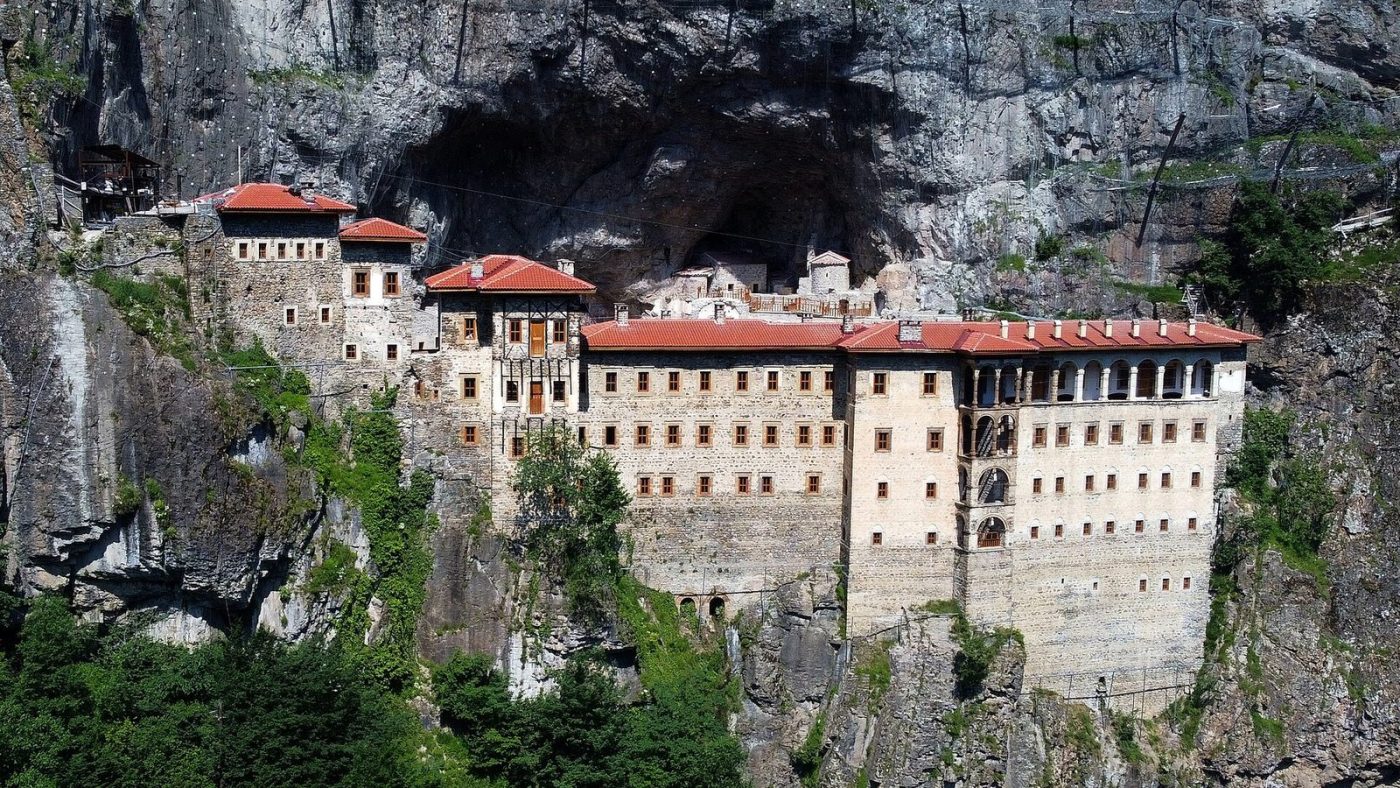
Photo: Rotadefterim, CC BY-SA 4.0
- Founded
- 386
- Tickets
- 5 tickets and tours
- Website
- sumela.gov.tr
Sumela Monastery tickets: which one to buy
Sumela Monastery clings to a cliff face in the Altindere Valley National Park, about forty-five kilometres south of Trabzon on Turkey's Black Sea coast, and entry is ticketed; the Museum Pass Turkey covers it. After a long restoration, the monastery reopened fully to visitors in recent years, but check the latest status before planning. Most visitors come on a day tour from Trabzon, which may also include the town of Macka and the Zigana mountains, or by taxi or minibus.
From the car park, a steep path through the forest leads up to the monastery, taking about thirty minutes, and shuttle vans sometimes run to a closer point. The valley is often misty, and the forest scenery is dramatic. Good shoes are needed for the path. Cafes and restaurants at the foot of the valley serve trout and local dishes. Buses and minibuses from Trabzon's Meydan square run to the valley, and taxis can be hired for the round trip.
5 tickets and tours for Sumela Monastery
Live dates and prices from GetYourGuide. Free cancellation on most tickets.
Visiting Sumela Monastery: what to see
According to tradition, the monastery was founded in the fourth century by two Athenian monks who found an icon of the Virgin, said to be painted by Saint Luke, in a cave on the cliff. The monastery flourished under the Byzantine emperors of Trebizond and the Ottoman sultans, who granted it privileges. It was abandoned in 1923 when the Greek Orthodox population left in the population exchange, and the monks took the icon to Greece, where it is now kept in a new Sumela monastery in Macedonia. The complex is built into the cliff about three hundred metres above the valley floor, with a rock church in a cave, chapels, kitchens, student rooms, a library and a guesthouse, and an aqueduct.
The rock church and the chapel walls are covered with frescoes from the fourteenth to the nineteenth centuries, showing biblical scenes, though many have been damaged by vandals over the decades. The main church in the cave has frescoes on both the interior and exterior walls, including a large scene of the Last Judgement. The aqueduct that supplied water can still be seen on the cliff face. The restoration uncovered a secret tunnel and chapel with frescoes. The steps and terraces give views straight down into the forested valley. Inscriptions left by visitors over the centuries can be seen on some walls.
Sumela Monastery opening hours and the best time to go
The monastery is usually open daily, with shorter hours in winter, and it can close in snow. The Black Sea region is wet and green, with mild summers and cool, rainy winters; late spring to early autumn is the best time to visit. Summer weekends bring many Turkish tourists, and weekdays and early mornings are quieter.
On 15 August, the feast of the Dormition, the Ecumenical Patriarch has at times been allowed to celebrate a liturgy at the monastery, attracting Orthodox pilgrims. Allow about two hours including the walk up and down, and enjoy lunch by the river in the valley. Trabzon's own Hagia Sophia, a thirteenth-century Byzantine church with fine frescoes, can be combined on the same day.
More tours and activities in Trabzon
Before you go
Can I book a ticket for Sumela Monastery online?
Yes. GetYourGuide lists 5 tickets and tours for Sumela Monastery, with live dates and prices and free cancellation on most of them.
How long does a visit to Sumela Monastery take?
Allow about two hours including the walk up and down, and enjoy lunch by the river in the valley.
When is the best time to visit Sumela Monastery?
The Black Sea region is wet and green, with mild summers and cool, rainy winters; late spring to early autumn is the best time to visit.
When was Sumela Monastery founded?
Sumela Monastery was founded in 386.
Where is Sumela Monastery?
Sumela Monastery is in Trabzon, Turkey. The map on this page shows the exact spot.