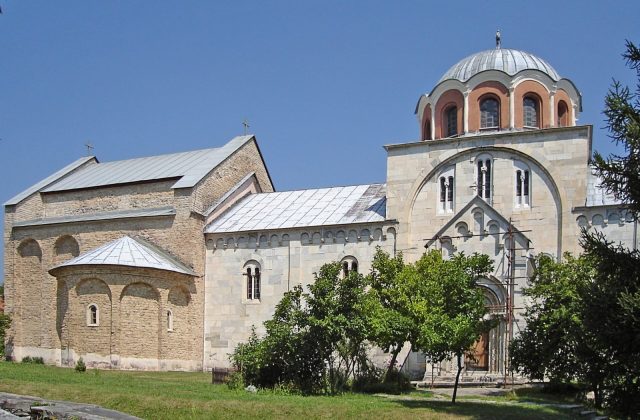
Studenica Monastery
Kraljevo, Serbia
Studenica Monastery stands in a wooded valley of the Studenica river in central Serbia, about sixty kilometres…
1 ticket or tour
Monastery & Abbey · Kraljevo · Serbia
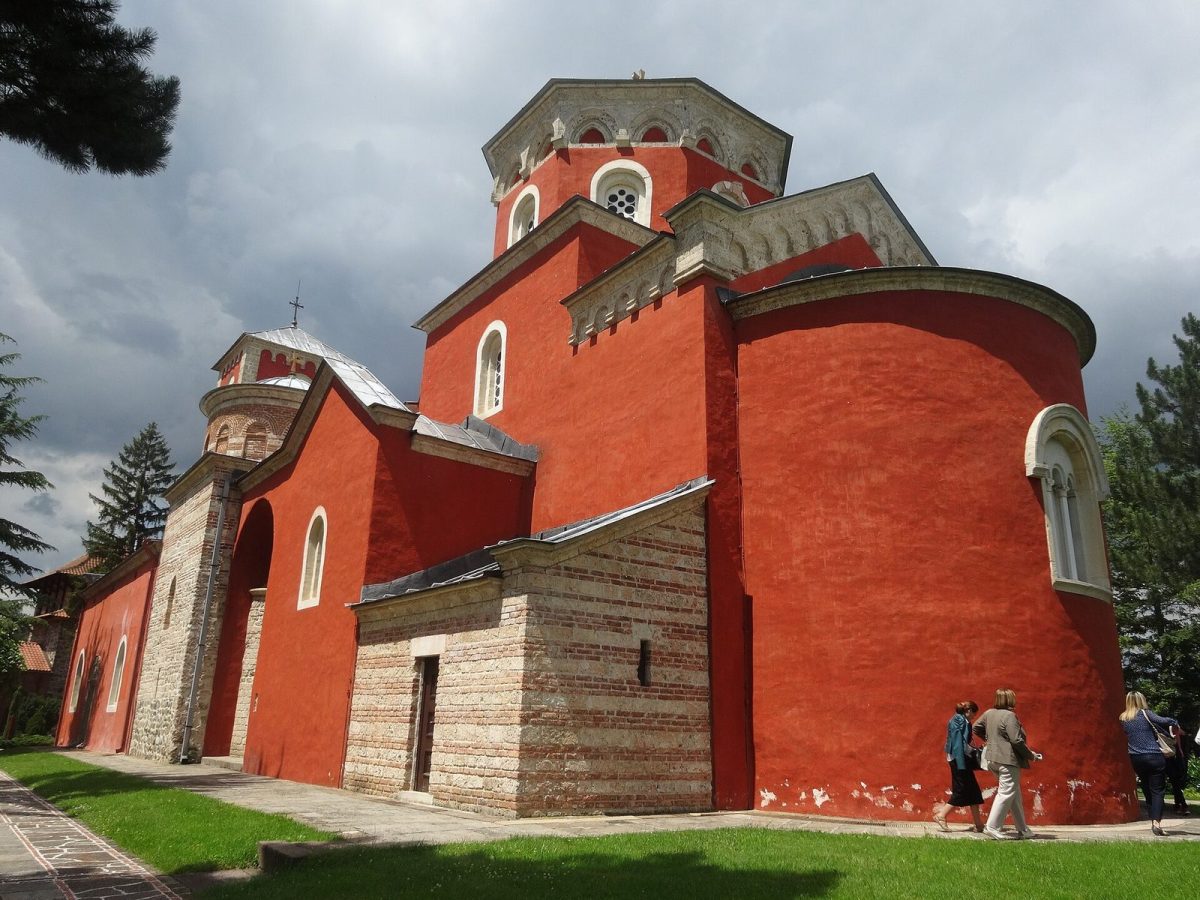
Photo: Djina, CC BY-SA 3.0
Žiča Monastery stands in the countryside about five kilometres south-west of Kraljevo, in central Serbia, and entry is free, with donations welcome. It is one of the most important monasteries in Serbia, the first seat of the independent Serbian Archbishopric and the place where Serbian kings were crowned, and its red-painted church is instantly recognisable. It is easy to reach by taxi or car from Kraljevo, which is about two and a half hours from Belgrade by car.
Visitors often combine Žiča with the Studenica Monastery, a UNESCO World Heritage Site about an hour's drive away, the Maglič fortress in the Ibar gorge, the Ljubostinja convent and the spa town of Vrnjačka Banja. The monastery is a convent, home to a community of nuns, and visitors should dress modestly, with shoulders and knees covered. Photography inside the churches may not be permitted. The nuns produce and sell handicrafts, icons and natural products in the monastery shop, and the gardens are carefully tended. The grounds are peaceful, with lawns, flowers and old buildings around the church. The monastery hosts pilgrims throughout the year.
Live dates and prices from GetYourGuide. Free cancellation on most tickets.
The monastery was founded between 1206 and 1217 by Stefan Nemanjić, known as Stefan the First-Crowned, and his brother Saint Sava, and in 1217 Stefan was crowned the first King of Serbia here. In 1219, when Sava obtained independence for the Serbian Church, Žiča became the seat of the Serbian Archbishopric, and it remained so for several decades. According to tradition, seven Serbian kings were crowned at Žiča, and for each coronation a new door was opened in the church and then walled up. The main church, dedicated to the Ascension of Christ, is built in the Raška style, combining a Byzantine dome with Romanesque elements, and its exterior is painted red, recalling the colour of the monasteries of Mount Athos.
The monastery was burned at the end of the thirteenth century during invasions, and it was restored by King Milutin in the early fourteenth century, when new frescoes were painted. Some frescoes from the thirteenth century survive, including images of the Crucifixion, and the fourteenth-century paintings include portraits of rulers and the Dormition of the Virgin. The monastery was damaged again in later centuries and during the Second World War, and it was restored in the twentieth century. The tall bell tower at the entrance, the refectory and residential buildings stand around the church.
The monastery is open daily from morning to evening. Spring and autumn are the most pleasant seasons in central Serbia, and summer is warm. The feast of the Ascension, forty days after Orthodox Easter, is the monastery's feast day and brings crowds of pilgrims, and the feast of Saint Sava on 27 January is also celebrated. Sunday mornings are busy with liturgy. Allow about forty-five minutes for the monastery, and combine it with Studenica for a day trip.
Yes. GetYourGuide lists one ticket or tour for Žiča, with live dates and prices and free cancellation on most of them.
The monastery is open daily from morning to evening.
Žiča Monastery stands in the countryside about five kilometres south-west of Kraljevo, in central Serbia, and entry is free, with donations welcome.
The monastery is a convent, home to a community of nuns, and visitors should dress modestly, with shoulders and knees covered.
Allow about forty-five minutes for the monastery, and combine it with Studenica for a day trip.
Spring and autumn are the most pleasant seasons in central Serbia, and summer is warm.
Žiča was founded in 1208.
Žiča is in Kraljevo, Serbia. The map on this page shows the exact spot.
Kraljevo, Serbia
Studenica Monastery stands in a wooded valley of the Studenica river in central Serbia, about sixty kilometres…
1 ticket or tour