Tortosa Cathedral
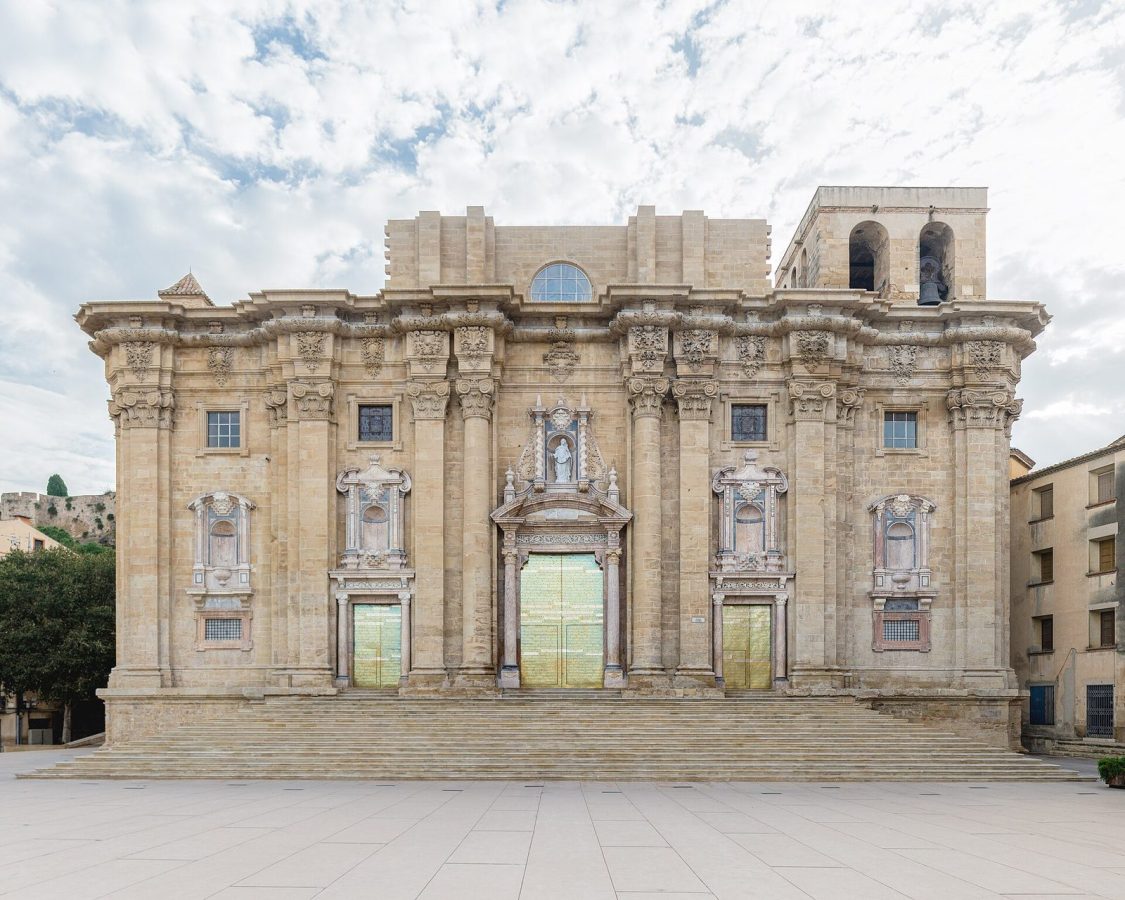
Photo: Fernando Pascullo, CC BY-SA 4.0
- Type
- Cathedral
- Founded
- 1347
- Tickets
- 1 ticket or tour
Tortosa Cathedral tickets: which one to buy
Tortosa Cathedral, the Cathedral of Santa Maria, stands in the old town of Tortosa, beside the Ebro river in southern Catalonia, Spain, below the Castle of La Suda, and a ticket is required to visit the cathedral, cloister and museum, with an audio guide. It is one of the most important Gothic cathedrals in Catalonia. Tortosa is about two hours from Barcelona and an hour from Tarragona by train, and the old town is a short walk across the river from the station.
Visitors often combine the cathedral with the Castle of La Suda, now a parador hotel with views over the city, the Royal Colleges, a Renaissance complex, the Jewish quarter, the Renaissance gardens of the Prince and the Ebro Delta Natural Park, with rice fields, lagoons and birdlife, about half an hour away. Tortosa is quieter than the major cities of Catalonia, and it is rarely crowded. The cathedral is active, and visiting pauses during services. Guided tours are sometimes offered to the roof and the underground parts of the building. The riverside promenade and the old town's streets make pleasant walks before or after the visit.
Tickets and tours for Tortosa Cathedral
Live dates and prices from GetYourGuide. Free cancellation on most tickets.
Visiting Tortosa Cathedral: what to see
The site was occupied by a Roman temple, a Visigothic church and the city's main mosque before the Christian conquest of Tortosa in 1148, when a Romanesque cathedral was built. The present Gothic cathedral was begun in 1347 and built over several centuries, and its baroque facade was added in the eighteenth century, never fully completed, with unfinished towers. The interior has a basilica plan with three naves and an ambulatory with radiating chapels, typical of the great Gothic cathedrals, and its tall, slender columns give it an elegant appearance. The high altar holds a large painted and gilded altarpiece from the fourteenth century.
The Chapel of the Virgin of the Cinta, built in the baroque period and decorated with marble and jasper, holds the cathedral's most venerated relic, a belt said to have been given by the Virgin to a priest in the cathedral; the Cinta is the patron of Tortosa. The cloister, from the fourteenth century, is simple and peaceful, with pointed arches and old tombstones. The cathedral museum displays silverwork, paintings, textiles and a collection of medieval chests, along with archaeological remains found during restoration. Two stone pulpits in the nave are carved with scenes and figures.
Tortosa Cathedral opening hours and the best time to go
The cathedral is open daily, with a break at lunchtime and reduced hours on Sundays and in winter. Summer is hot in the Ebro valley, and spring and autumn are the most pleasant seasons. The Feast of the Renaissance in July fills Tortosa with costumes, markets and performances, and the festivities of the Virgin of the Cinta take place in early September. Winter is mild. Allow about an hour for the cathedral, cloister and museum, and walk up to the Castle of La Suda for the view.
More tours and activities in Tortosa
Before you go
Can I book a ticket for Tortosa Cathedral online?
Yes. GetYourGuide lists one ticket or tour for Tortosa Cathedral, with live dates and prices and free cancellation on most of them.
What are the opening hours of Tortosa Cathedral?
The cathedral is open daily, with a break at lunchtime and reduced hours on Sundays and in winter.
How long does a visit to Tortosa Cathedral take?
Allow about an hour for the cathedral, cloister and museum, and walk up to the Castle of La Suda for the view.
When is the best time to visit Tortosa Cathedral?
Summer is hot in the Ebro valley, and spring and autumn are the most pleasant seasons.
When was Tortosa Cathedral founded?
Tortosa Cathedral was founded in 1347.
Where is Tortosa Cathedral?
Tortosa Cathedral is in Tortosa, Spain. The map on this page shows the exact spot.