
San Bartolomé, Córdoba
Cordoba, Spain
This is a small, easily missed building and the practical problem is getting in at all.
No online ticket
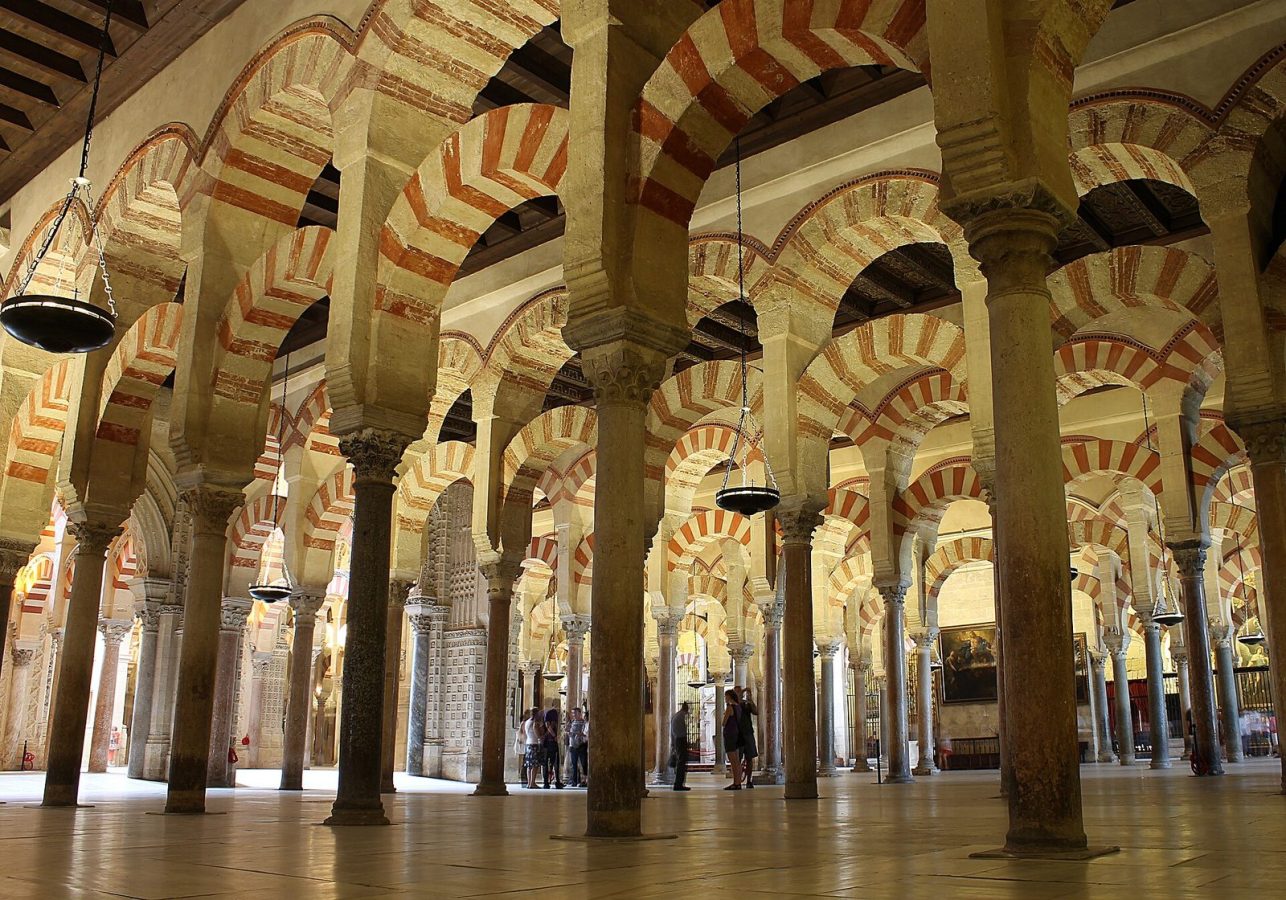
Photo: Nicolas Vollmer from Munich [Allemagne], CC BY 2.0
One ticket covers the whole building, and buying it online with a time slot saves a queue that is long from mid-morning through the afternoon in spring and autumn. The bell tower, the old minaret, is a separate cheap ticket with entry every half hour and a limit on numbers, so book it with the main one if you want both. Audio guides are rented at the door; guided tours in small groups cost three or four times the entry and are genuinely useful here, because the building's history is layered and almost nothing is labelled.
Early-morning guided visits before general opening are sold by several operators and are the best product on offer, since the forest of columns with fifty people in it is a different experience from the same space with five hundred. Combined tickets with the Alcazar of the Christian Monarchs and the synagogue save a little. Free entry is available on weekday mornings for a short window before the ticketed day begins, without guides and with the lights off.
Live dates and prices from GetYourGuide. Free cancellation on most tickets.
Abd al-Rahman I began the mosque in 785 and three later rulers expanded it, giving the prayer hall its 856 columns of granite, jasper and marble, many reused from Roman and Visigothic buildings, carrying two tiers of red brick and white stone arches. The effect is famous and still surprises: a low, shadowed, endless grove of stone. Al-Hakam II added the mihrab in 971, a horseshoe niche under a shell-shaped dome, lined with Byzantine gold mosaic sent by the emperor in Constantinople.
Castile took Cordoba in 1236 and the mosque became a cathedral; for three centuries the changes were small, and then in the 1520s the chapter cut a Renaissance nave and transept straight through the middle, over the objection of the city. Charles V, who had approved it, is said to have regretted the result. The two buildings now coexist in one roof, which is the point of coming. The orange courtyard outside, once the ablutions court, is free to walk at any time.
Opening is mid-morning, with a break at midday on Sundays for services and closing in the early evening, an hour earlier in winter. The light inside is dim by design and best in the middle of the day when the sun reaches the clerestories. Cordoba is one of the hottest cities in Europe in July and August, regularly above 40 degrees, and although the hall stays cool the courtyard and the tower do not.
May brings the patio festival and the city is full; February and November are quiet and pleasant. Mass is celebrated daily in the cathedral nave and the tourist route pauses. Dress code is applied at the entrance: shoulders and knees covered. Large bags are refused. Allow ninety minutes inside and another thirty for the tower, which is 54 metres and has a viewing platform among the bells. Photography without flash or tripod is allowed throughout.
Yes. GetYourGuide lists 22 tickets and tours for Mosque-Cathedral of Cordoba, with live dates and prices and free cancellation on most of them.
The cathedral stands 54 m high.
Dress code is applied at the entrance: shoulders and knees covered.
Allow ninety minutes inside and another thirty for the tower, which is 54 metres and has a viewing platform among the bells.
Mosque-Cathedral of Cordoba was founded in 786.
Mosque-Cathedral of Cordoba is in Cordoba, Spain. The map on this page shows the exact spot.
Cordoba, Spain
This is a small, easily missed building and the practical problem is getting in at all.
No online ticket