Monastery & Abbey · Despotovac · Serbia
Manasija
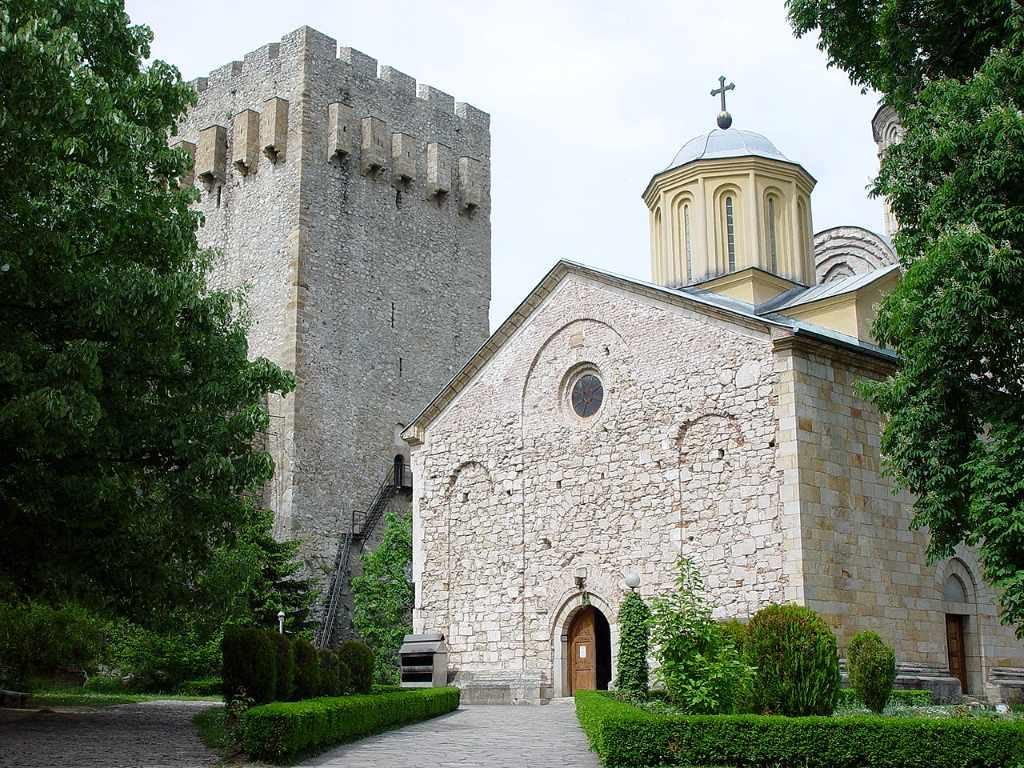
- Where
- Despotovac, Serbia
- Height
- 25 m
- Founded
- 1418
- Tickets
- 2 tickets and tours
Manasija tickets: which one to buy
Manasija Monastery, also called Resava, stands in the valley of the Resava river near the town of Despotovac, in central Serbia, about two hours south-east of Belgrade, and a small admission is charged for the fortress and the church. It is one of the most important monuments of medieval Serbia, famous for its massive fortifications and its frescoes. Visitors often combine Manasija with the Resava Cave, a show cave about twenty kilometres away, and the Lisine waterfall, one of the highest in Serbia.
A car or a tour from Belgrade is the easiest way to reach it. The monastery is active, with a community of nuns, and visitors should dress modestly. The medieval festival held in the fortress in summer brings reenactments, jousting and crafts. The fortress walls can be walked in places. Tours from Belgrade combining Manasija, the Resava Cave and Lisine take a full day.
2 tickets and tours for Manasija
Live dates and prices from GetYourGuide. Free cancellation on most tickets.
Visiting Manasija: what to see
The monastery was founded between 1406 and 1418 by Despot Stefan Lazarević, the ruler of Serbia and son of Prince Lazar, who died at the Battle of Kosovo. Built at a time of Ottoman invasions, it was surrounded by massive walls with eleven towers, making it one of the most important medieval fortresses in the Balkans. The monastery was also a centre of learning, where the Resava school of copyists worked on correcting and translating texts. The church, dedicated to the Holy Trinity, is built in the Morava style, with a tall dome and elegant proportions. Inside, the frescoes, painted in the early fifteenth century, are among the finest of late Byzantine art, including the military saints in armour, the portrait of Despot Stefan holding a model of the church, and the Communion of the Apostles.
Despot Stefan is buried in the church. The Despot's Tower, the largest tower, rises above the walls. The frescoes of the military saints, in shining armour, are among the most famous images of Serbian medieval art. The church's facade is decorated with stone carvings and alternating layers of stone and brick. The refectory's ruins stand in the courtyard. The monastery's walls include a moat and a gate tower. The church's floor has a mosaic of coloured stone. The frescoes include scenes from the life of Christ and the parables. The monastery's nuns sell icons, honey and handmade products. The fortress's towers offer views of the river valley.
Manasija opening hours and the best time to go
The monastery is open daily. Summer is warm, and spring and autumn are pleasant in the Resava valley, with green or colourful forests. The medieval festival Despot's Days, held in the fortress in August, brings knights and costumed events. Winter is cold and quiet. Weekends bring Serbian visitors and pilgrims. Allow about an hour for the church and the fortress walls, and combine the visit with the Resava Cave and the Lisine waterfall. The Lisine waterfall, about twenty-five minutes' drive, is surrounded by forest paths and restaurants.
More tours and activities in Despotovac
Before you go
Can I book a ticket for Manasija online?
Yes. GetYourGuide lists 2 tickets and tours for Manasija, with live dates and prices and free cancellation on most of them.
How high is Manasija?
The monastery & abbey stands 25 m high.
What are the opening hours of Manasija?
The monastery is open daily.
Is there a dress code at Manasija?
The monastery is active, with a community of nuns, and visitors should dress modestly.
How long does a visit to Manasija take?
Allow about an hour for the church and the fortress walls, and combine the visit with the Resava Cave and the Lisine waterfall.
When was Manasija founded?
Manasija was founded in 1418.
Where is Manasija?
Manasija is in Despotovac, Serbia. The map on this page shows the exact spot.