Gniezno Cathedral
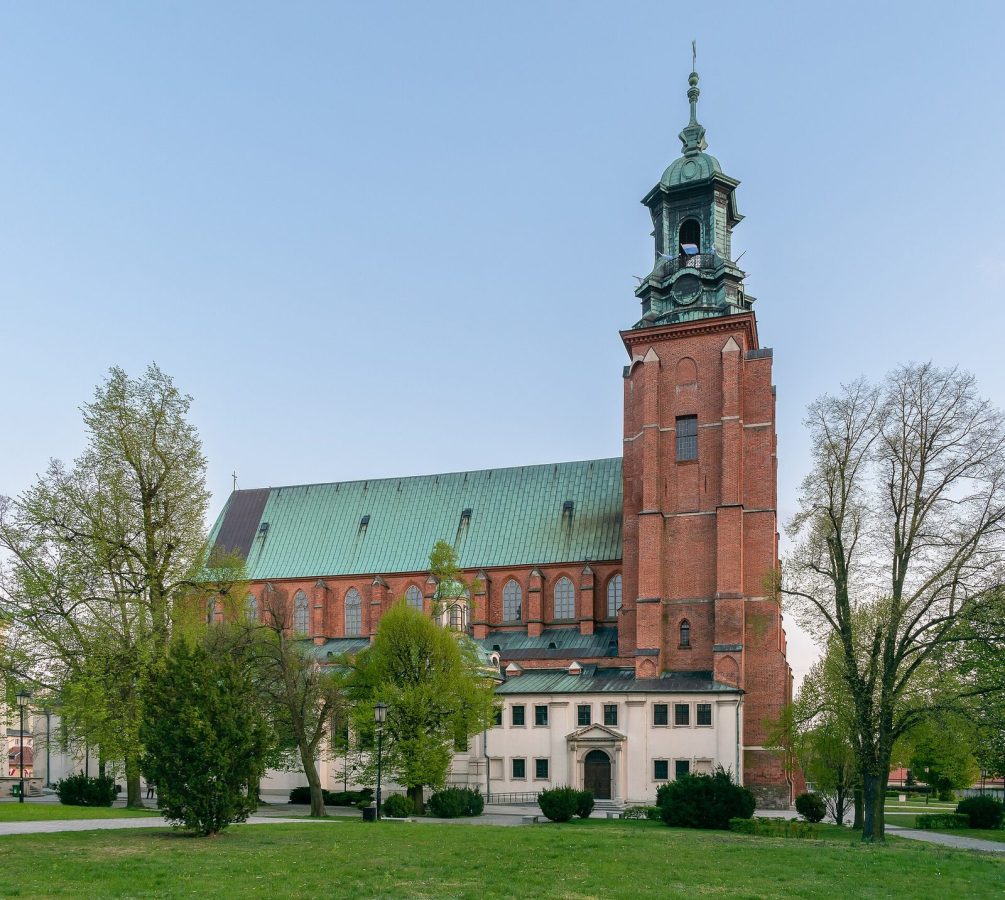
Photo: Krzysztof Golik, CC BY-SA 4.0
- Type
- Cathedral
- Tickets
- 1 ticket or tour
Gniezno Cathedral tickets: which one to buy
Gniezno Cathedral stands on Lech Hill in Gniezno, Poland, about fifty kilometres east of Poznań, and entry to the cathedral is by a small fee, which includes the bronze doors, the crypts, the tower and the Archdiocesan Museum, sold as separate or combined tickets. It is one of the most important churches in Poland, where the country's early kings were crowned and where the relics of Saint Adalbert, the patron saint of Poland, are kept.
Gniezno was the first capital of Poland, and it lies on the Piast Route, a tourist trail linking the places connected with the birth of the Polish state, including Poznań, Ostrów Lednicki and Biskupin. Trains from Poznań reach Gniezno in about forty minutes. The cathedral is active, and visiting pauses during masses. The tower offers views over the town and lakes. Tickets for the bronze doors are sold at the entrance, and guides explain the scenes.
Tickets and tours for Gniezno Cathedral
Live dates and prices from GetYourGuide. Free cancellation on most tickets.
Visiting Gniezno Cathedral: what to see
A church was built on Lech Hill in the tenth century, and in the year 1000, the Holy Roman Emperor Otto III came to Gniezno on a pilgrimage to the tomb of Saint Adalbert, who had been martyred by the Prussians in 997, and Gniezno became an archbishopric, the first in Poland. The present Gothic cathedral was built in the fourteenth century, after earlier churches were destroyed, and it was rebuilt several times after fires and wars, including after damage in 1945. Its most famous treasure is the pair of bronze doors, made around 1175, decorated with eighteen scenes from the life and martyrdom of Saint Adalbert, among the finest works of Romanesque art in Europe. The silver reliquary of Saint Adalbert, made in the seventeenth century, stands in the presbytery.
The crypts hold the remains of the earlier churches and the tombs of archbishops. The chapels are decorated in Gothic, Renaissance and baroque styles. The bronze doors' scenes show Adalbert's birth, his work as a bishop, his missionary journey to Prussia, his martyrdom and the ransom of his body for its weight in gold. The cathedral's chapels include the Potocki Chapel and the Baranowski Chapel, with baroque decoration. The Gothic arcades of the nave rest on pillars of brick. The tombs in the crypt include the tomb of Primate Stefan Wyszyński's predecessors. The stained glass windows date from the twentieth century. The Archdiocesan Museum, near the cathedral, displays medieval chalices and liturgical objects.
Gniezno Cathedral opening hours and the best time to go
The cathedral is open daily, with shorter hours on Sundays because of masses. Gniezno is pleasant in spring and summer, when the lakes around the town are popular. The feast of Saint Adalbert on 23 April brings pilgrims and celebrations. The Coronation Festival in summer recreates the coronations of the Polish kings. Winter is cold. Allow about an hour for the cathedral, doors, crypts and tower, and visit the Museum of the Origins of the Polish State nearby. The Museum of the Origins of the Polish State, beside Lake Jelonek, explains the early history of Poland with archaeological finds.
More tours and activities in Gniezno
Before you go
Can I book a ticket for Gniezno Cathedral online?
Yes. GetYourGuide lists one ticket or tour for Gniezno Cathedral, with live dates and prices and free cancellation on most of them.
What are the opening hours of Gniezno Cathedral?
The cathedral is open daily, with shorter hours on Sundays because of masses.
How long does a visit to Gniezno Cathedral take?
Allow about an hour for the cathedral, doors, crypts and tower, and visit the Museum of the Origins of the Polish State nearby.
Where is Gniezno Cathedral?
Gniezno Cathedral is in Gniezno, Poland. The map on this page shows the exact spot.