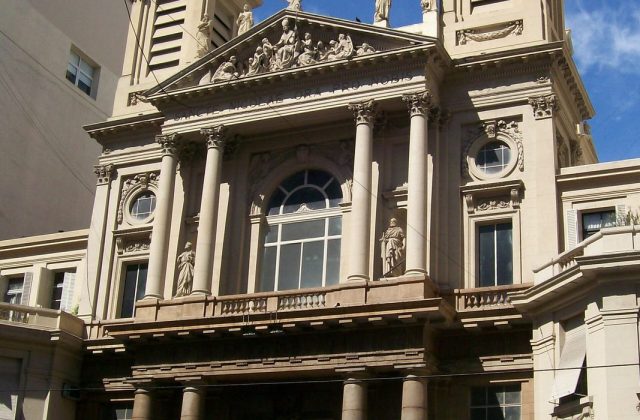
Basilica di San Nicola
Bari, Italy
The basilica is free to enter and there is no ticket for the church or the crypt where the relics lie.
1 ticket or tour
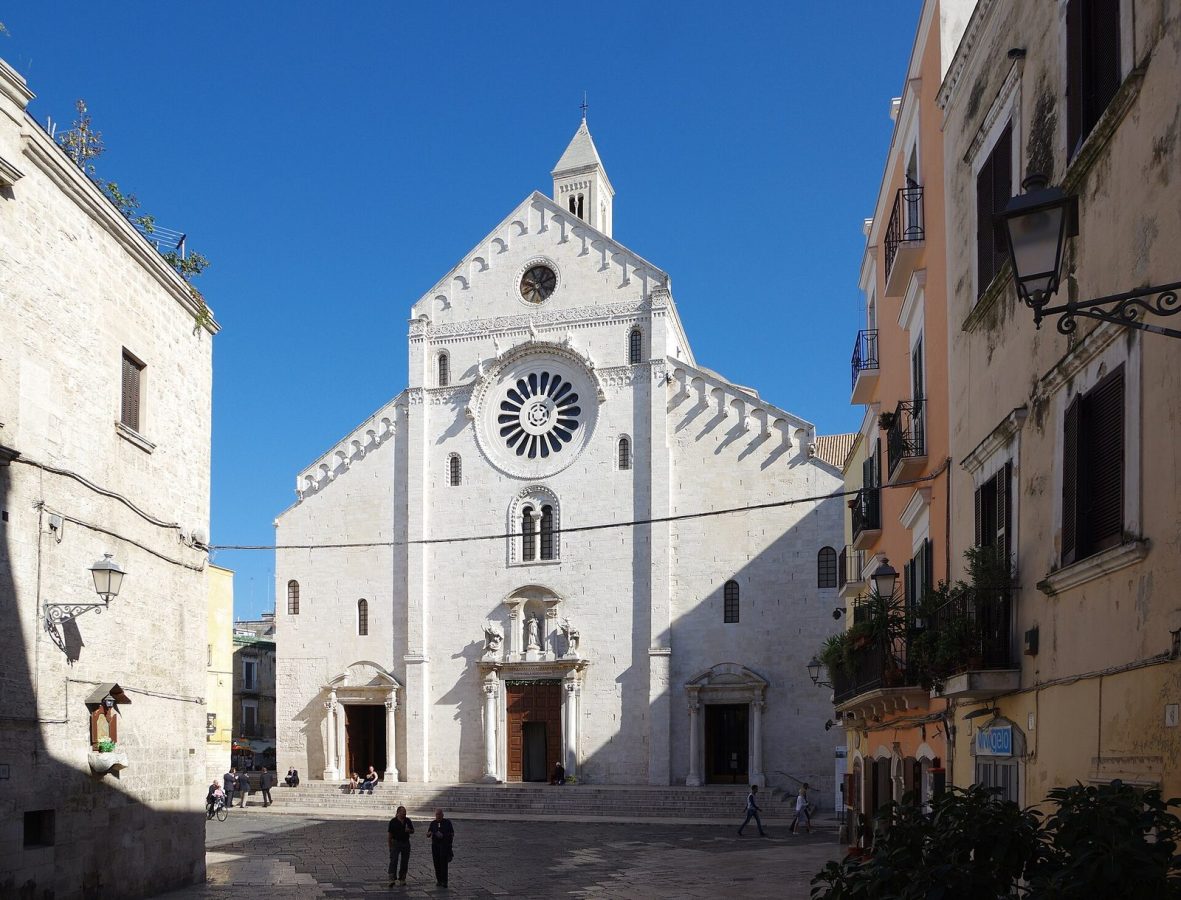
Photo: Berthold Werner, CC BY-SA 3.0
Bari Cathedral, dedicated to Saint Sabinus, stands in the old town of Bari, Puglia, a few minutes' walk from the Basilica of Saint Nicholas and the Swabian Castle, and entry to the cathedral is free, while the crypt and the archaeological remains beneath the church and the diocesan museum may charge a small fee. Bari's old town, Bari Vecchia, is a maze of narrow streets where women make orecchiette pasta in front of their houses, and walking tours combine the cathedral with the Basilica of Saint Nicholas, the castle, the pasta street, the seafront and the Murat district.
Bari is the main city of Puglia and a ferry port for Greece, Albania and Croatia. The cathedral is active, and visiting pauses during services. The two churches, the cathedral and the basilica, are best seen together. Bari Centrale station is about twenty minutes' walk from the old town, and buses run to the seafront.
Live dates and prices from GetYourGuide. Free cancellation on most tickets.
The cathedral was built between the late twelfth and thirteenth centuries in the Apulian Romanesque style, on the site of an earlier Byzantine cathedral destroyed in 1156 by the Norman king William I. It was modelled on the Basilica of Saint Nicholas, with a pale limestone facade, a large rose window decorated with carved monsters and fantastic creatures, and a tall bell tower. Inside, the church has three naves divided by columns, and its baroque decoration was removed in the twentieth century to restore the Romanesque appearance. The crypt, remodelled in the eighteenth century, holds the relics of Saint Sabinus, a bishop of Canosa, and an icon of the Virgin Hodegetria, believed to have come from Constantinople.
Beneath the cathedral, excavations have revealed mosaic floors from the earlier churches and Roman remains. The diocesan museum holds the Exultet, an illuminated scroll of the eleventh century. The cathedral's bell tower was partly rebuilt after earthquake damage. The facade's carvings include animals and fantastic creatures around the windows. The trulla, a round building beside the cathedral, was originally the baptistery and later the sacristy. The crypt holds a baroque altar and the silver reliquary of Saint Sabinus. The mosaic floors beneath the cathedral include geometric patterns and animals. The cathedral's side walls have blind arcades typical of Apulian Romanesque. The Exultet scroll, displayed in the museum, was used to sing the Easter proclamation, with pictures facing the congregation.
The cathedral is open daily, with a break at lunchtime. Bari is warm for much of the year, and summer is hot; spring and autumn are pleasant. The feast of Saint Nicholas in early May brings a historical procession and celebrations to the old town, and December's feast of Saint Nicholas is also important. The Lungomare, the seafront promenade, is lively in the evening. Allow about half an hour for the cathedral and crypt, and walk to the Basilica of Saint Nicholas and the pasta makers' street nearby. The Teatro Petruzzelli, one of the largest theatres in Italy, is about fifteen minutes' walk in the Murat district.
Yes. GetYourGuide lists 3 tickets and tours for Bari Cathedral, with live dates and prices and free cancellation on most of them.
The cathedral is open daily, with a break at lunchtime.
Bari Cathedral, dedicated to Saint Sabinus, stands in the old town of Bari, Puglia, a few minutes' walk from the Basilica of Saint Nicholas and the Swabian Castle, and entry to the cathedral is free, while the crypt and the archaeological remains beneath the church and the diocesan museum may charge a small fee.
Allow about half an hour for the cathedral and crypt, and walk to the Basilica of Saint Nicholas and the pasta makers' street nearby.
Bari Cathedral was founded in 1292.
Bari Cathedral is in Bari, Italy. The map on this page shows the exact spot.
Bari, Italy
The basilica is free to enter and there is no ticket for the church or the crypt where the relics lie.
1 ticket or tour